
Article
High-fat diet driven post-operative colon cancer recurrence is dependent upon genetic susceptibility to deoxycholic acid
Published in
Cancer Lett
Abstract
This study investigated how a high-fat diet contributes to postoperative colorectal cancer recurrence and explored the underlying role of transfer RNA (tRNA) regulation. Using a murine model of postoperative tumor formation, the authors demonstrated that the tumor-promoting effects of a high-fat diet depend on the genetic background of the primary tumor, particularly the presence of APC mutations. The bile acid deoxycholic acid (DCA), elevated during high-fat diet consumption, was identified as a key mediator of recurrence. Integrated analyses of transcriptomics and tRNA biology revealed that DCA altered tRNA abundance, modification, and charging, thereby enhancing translation of proliferation-associated genes through codon-biased decoding. These findings establish a mechanistic link between diet, tRNA regulation, and colorectal cancer recurrence.
Results
• A high-fat diet significantly promotes postoperative colorectal cancer recurrence in a genotype-dependent manner.
• Tumor-promoting effects of the high-fat diet are most pronounced in tumors harboring APC-driving mutations.
• Deoxycholic acid (DCA), a secondary bile acid associated with high-fat diets, is a major driver of tumor recurrence.
• DCA stimulates proliferation of colorectal cancer organoids derived from APC-mutant tumors.
• DCA treatment alters tRNA abundance, tRNA modification patterns, and tRNA charging status as profiled by multiplex small RNA sequencing (MSR-seq).
• Integrated mRNA and tRNA sequencing analyses reveal enhanced decoding efficiency of specific codons enriched in proliferation-promoting genes.
• Reprogramming of the tRNA pool promotes translational output that favors tumor growth and recurrence following surgical resection.
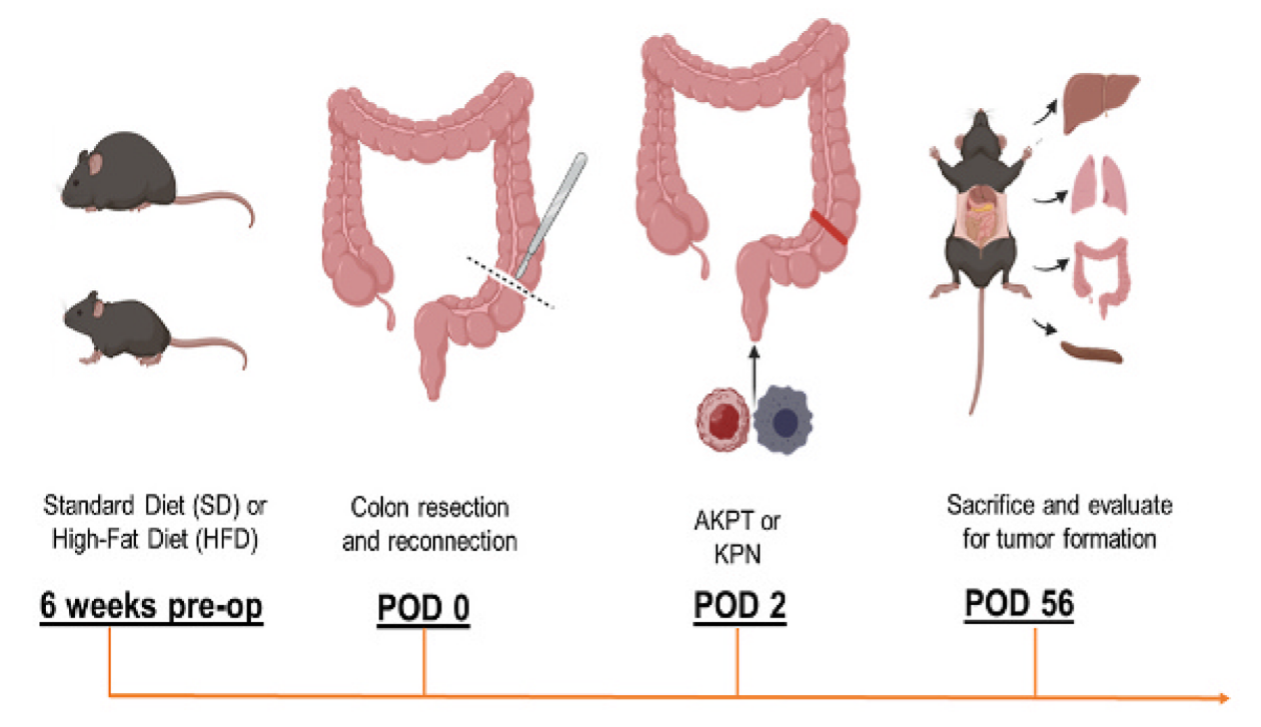
Fig. 1. High-fat diet-derived deoxycholic acid reprograms tRNA abundance, modification, and charging to enhance codon-biased translation of proliferation-associated genes and promote postoperative colorectal cancer recurrence in mouse model.
Conclusion
This study demonstrates that dietary factors can influence postoperative colorectal cancer recurrence through regulation of the tRNA translation machinery. Elevated deoxycholic acid resulting from a high-fat diet alters tRNA abundance, modification, and charging, leading to enhanced decoding of codons within proliferation-promoting transcripts. These findings highlight tRNA charging and codon-biased translation as critical mediators linking diet, tumor genetics, and cancer recurrence, providing new opportunities for therapeutic intervention in colorectal cancer.
Arraystar tRNA Charging Sequencing
Arraystar tRNA Charging Sequencing is capable of profiling tRNA charging, expression,and modifications simultaneously. It provides comprehensive tRNA profiles key to tRNA studies in cancer drug resistance, cardiac fibrosis, and many other diseases.
Advantages
• Simultaneous tRNA profiles: tRNA expression, tRNA modification, and tRNA charging.
• High yields for full length tRNAs: Highly efficient full length cDNA synthesis to reduce mapping/counting inaccuracy.
• Broad modification coverage: tRNA modifications, e.g. m1A, m1G, m3C, acp3U, are predicted at single nucleotide resolution.
• Seamless integration with translatomics: To correlate tRNA charging with translation activities.
• Rich data and analyses: A wealth of tRNA multi-omics data come with common analyses (e.g. differential analyses) and detailed annotations, for comprehensive insights into the tRNAs.
• Publication-ready graphics and visualization